





Cross-platform access
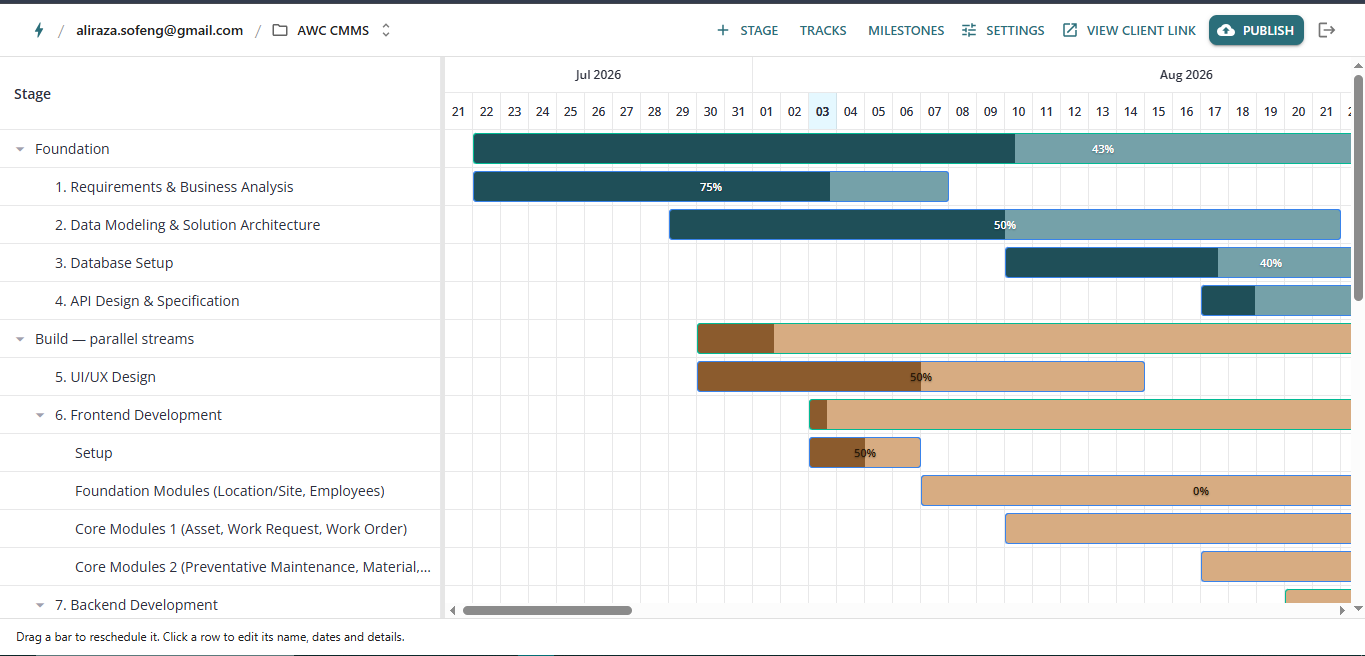
The experience remains accessible and consistent across supported devices and screen sizes.
Case study — Digital Experience
Browser-based 360° VR/AR training scenario authoring tool and immersive viewer
Browser-based 360° VR/AR training scenario authoring tool and immersive viewer
Delivered across 6 milestones in ~4 months. Migrated from R3F v5 to production TypeScript/R3F v9. Frame-accurate video sync engine with lag compensation during buffering.
A VR/AR training company needed to move from an unstable Replit prototype to a production-grade authoring platform for interactive 360° training scenarios.
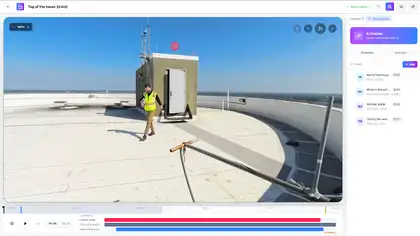
We built a full-stack WebXR platform with two apps: a React drag-and-drop Builder for placing interactive elements on 360° videos with a visual timeline, and a high-performance Viewer supporting desktop, mobile touch/gyro, and VR headset modes.
The experience combines TypeScript, React, React Three Fiber, Three.js in a responsive system designed to stay clear, fast, and reliable across devices.
Delivered across 6 milestones in ~4 months. Migrated from R3F v5 to production TypeScript/R3F v9. Frame-accurate video sync engine with lag compensation during buffering.
The experience remains accessible and consistent across supported devices and screen sizes.
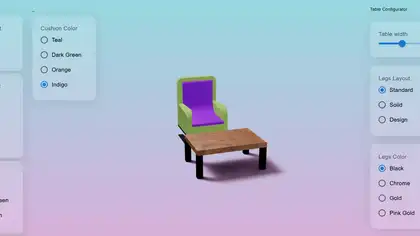
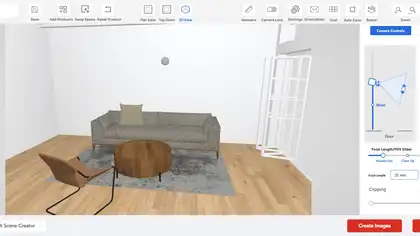
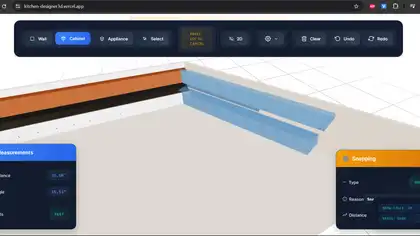
Visual editing tools let users create and refine content through direct, intuitive controls.
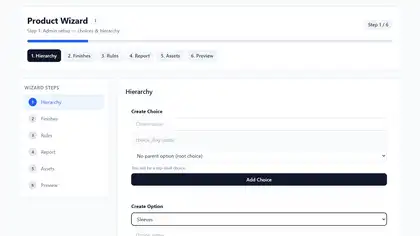
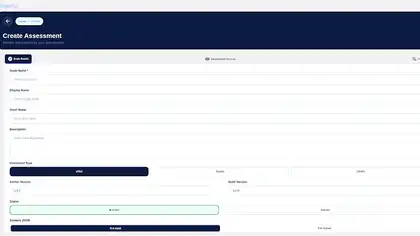
Structured forms simplify data collection and guide users through complete submission workflows.
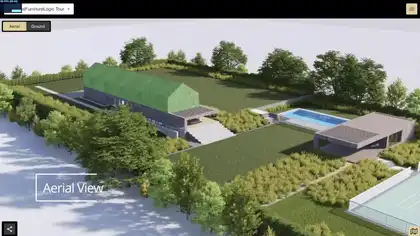
Integrated media streaming gives users richer visual context without leaving the platform.
The system runs in the browser, reducing setup friction across supported devices.
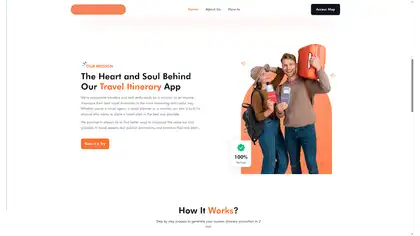
Training is built into the system as a core user-facing capability.
Delivered across 6 milestones in ~4 months. Migrated from R3F v5 to production TypeScript/R3F v9. Frame-accurate video sync engine with lag compensation during buffering.
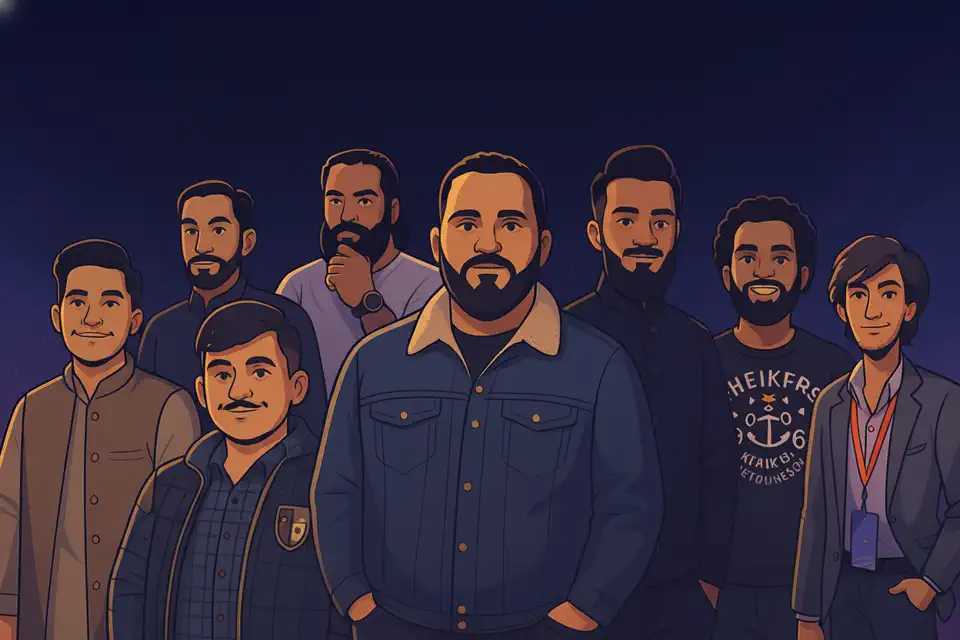
 Project TeamSaailverse case study